
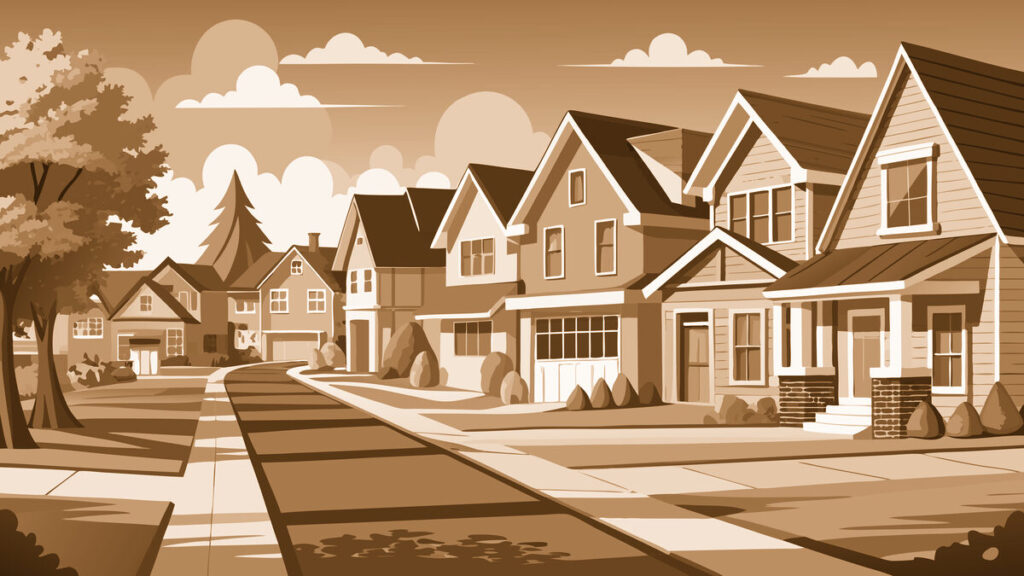
The city of Lansing, Michigan is a tapestry of unique neighborhoods, each woven with its own stories, traditions, and landmarks. Among these, the Potter Walsh Neighborhood stands out as a testament to resilience, community, and transformation. Nestled in the east-central portion of Lansing, bordered by Michigan Avenue to the north and Pennsylvania Avenue to the west, Potter Walsh is more than just a collection of homes and streets—it’s a living legacy of the city’s history.
Origins: The Birth of Potter Walsh
Potter Walsh’s story begins in the late 19th and early 20th centuries, during Lansing’s period of rapid expansion. The neighborhood’s land was originally part of larger agricultural plots, dotted with farmhouses and barns. As Lansing grew, especially with the rise of the auto industry and the establishment of Oldsmobile in the early 1900s, the need for worker housing led developers to turn farmland into residential neighborhoods.
The name “Potter Walsh” derives from two adjoining subdivisions: Potter Park and the Walsh Place Addition. Potter Park, which today is known for its beloved Potter Park Zoo, provided both a namesake and a green oasis for residents to enjoy. The Walsh name is traced back to the Walsh family, local landowners who played a role in plotting sections of the neighborhood.
Key Historical Milestones
- Early 20th Century Growth: The arrival of trolley lines and streetcar routes along Michigan Avenue spurred development. Single-family homes—many with charming Craftsman, Colonial, and Bungalow details—sprang up along streets like Cavanaugh, Marcus, and Shepard.
- Community Pillars: Potter Walsh quickly became a haven for working-class families. Churches, such as St. Casimir Catholic Church on Barnes Avenue, became centers for both worship and neighborhood engagement, hosting festivals and social events that helped define the community’s close-knit spirit.
- Civil Rights and Civic Involvement: In the mid-20th century, Lansing’s east side became a stage for civic action and social change, with Potter Walsh residents involved in citywide efforts around education, equality, and neighborhood safety.
Notable Landmarks and Buildings
- Potter Park and Zoo: The 100-acre Potter Park is a crown jewel not only for the neighborhood but also for Lansing as a whole. Established in 1915, it remains one of Michigan’s oldest zoos and a space where generations of families have played, picnicked, and learned about wildlife conservation.
- St. Casimir Church: More than just an architectural fixture, this parish is a symbol of the Polish and other Eastern European immigrants who settled in Potter Walsh. Its sturdy brick construction and vivid stained glass are enduring reminders of the faith and heritage of Lansing’s early residents.
- Eastern High School: Though technically on the edge of Potter Walsh, Lansing Eastern High School on Pennsylvania Avenue has shaped the lives of neighborhood youth for nearly a century, its marching band and athletic programs echoing through the decades.
A Neighborhood in Transition
The post-war years brought new challenges and opportunities to Potter Walsh. As the auto industry fluctuated, property values and demographics shifted. The neighborhood faced issues common to many urban areas: aging infrastructure, changing schools, and the need for renewal.
But Potter Walsh’s residents proved resilient. The neighborhood association—one of Lansing’s oldest—helped launch clean-up campaigns, after-school programs, and youth sports. Neighbors regularly gather for block parties or stroll through Hunter Park, whose community garden is a beacon for sustainability and friendship.
Evolution Over the Decades
Each era in Potter Walsh’s history has added a new layer to its character:
- The 1970s and 80s saw families from diverse backgrounds move in, giving the neighborhood a multicultural flair, with bilingual services and multicultural events.
- In the 1990s and 2000s, revitalization efforts brought new investment and attention. Historic properties were restored; local businesses like Quality Dairy on Kalamazoo Street became cornerstones where locals swapped stories over coffee.
- Today, Potter Walsh attracts both longtime residents and newcomers looking for affordable homes with access to green spaces, schools, and Lansing’s thriving downtown. Streets like Charles and Jones have become favorites for joggers and cyclists, while the Potter Walsh Community Garden is a model of urban agriculture.
What Makes Potter Walsh Special
Ask a resident what sets Potter Walsh apart, and you’ll hear about the way neighbors look out for each other. Children play together at Washington Park, homeowners tend their historic gardens, and volunteers organize everything from holiday parades to neighborhood watch meetings. The architecture, from early 20th-century bungalows to the stately churches, gives the neighborhood enduring aesthetic charm.
Perhaps most of all, Potter Walsh excels in its blend of tradition and adaptation—honoring its past while welcoming new faces and ideas. From the lilac bushes on Francis Street to the laughter at Potter Park Zoo, the legacy of the neighborhood lives on in every corner.
Visiting or Living in Potter Walsh
For those interested in Lansing’s rich neighborhoods, a walk through Potter Walsh is a journey through time:
- Stroll down Marcus Street and notice the period details on the homes.
- Visit Potter Park for a family day with animals and playgrounds.
- Stop by one of the local diners or bakeries along Michigan Avenue.
- Attend a service or event at St. Casimir and feel the warmth of a diverse, close-knit community.
Whether you grew up here or are discovering it for the first time, Potter Walsh offers a glimpse of the enduring spirit that makes Lansing home.